Looking for shoulder dislocation treatment in Kerala? Cities like Trivandrum offer advanced care from expert orthopaedic specialists. Whether you need non-surgical care or surgery, top hospitals provide reliable options. If surgery is required, the shoulder dislocation surgery cost in Kerala varies by hospital and procedure. Consult an experienced shoulder dislocation surgeon in Kerala to get the right treatment and ensure a smooth recovery.
The shoulder joint can move in a wide range of directions depending on the function of many bones, ligaments, soft tissues, and tendons.
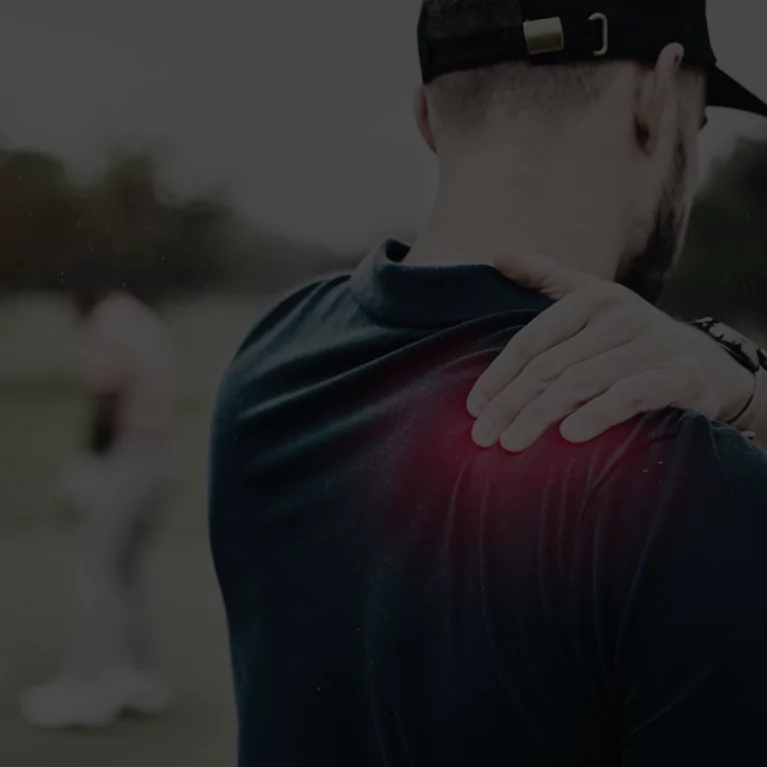
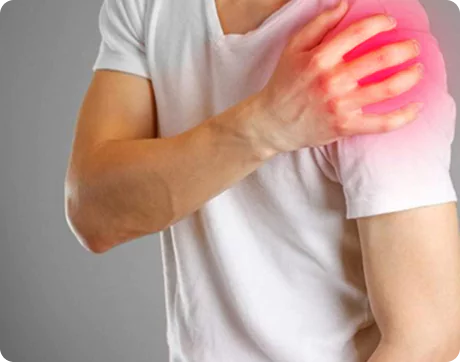
A shoulder dislocation happens when the top portion of the upper arm bone (ball of the shoulder) slips out from the cup-shaped socket (glenoid). A dislocation can cause severe pain and instability in the shoulder.
If the shoulder is partially dislocated, it is called shoulder subluxation.
Dr. Ganesh Navaneedhan offers Shoulder dislocation treatment in Kerala with state-of-the-art care that helps reduce the chance of future or recurring dislocations.

Your shoulder can also dislocate in various directions. The most common type is anterior dislocation or forward dislocation.
Most common type (over 90% of cases). The humeral head is displaced forward, often due to trauma or a fall on an outstretched arm. Common in contact sports and accidents.
Less common but often missed during diagnosis. The humeral head moves backwards, typically caused by seizures, electric shocks, or falls. It can be subtle and may require advanced imaging for detection.
Very rare. The humeral head is displaced downward. Usually results from hyper-abduction of the arm (arm pulled upward forcefully).
Occurs when the shoulder can dislocate in more than one direction (anterior, posterior, and/or inferior). Often linked to joint hypermobility or loose ligaments. Common in younger individuals and athletes.
The symptoms of a dislocated shoulder depend on the extent of the dislocation and its direction.
For example, you may experience:
Multiple acute injuries and structural irregularities can cause dislocation or subluxation.
Common shoulder dislocations are traumatizing injuries that force your humeral head from the glenoid. You may also suffer from a shoulder injury that can tear ligaments in the labrum and the shoulder joint. Such injuries may also lead to specific conditions like Bankart lesions or Hill-Sachs lesions.
Multidirectional instability is a less common cause of shoulder dislocation. Patients with this condition may experience shoulder instability and chronic dislocations without any history of injury. These patients often have naturally loose joints throughout their bodies, sometimes called “double-jointed.”
Athletes who engage in overhead activities, such as swimming, throwing, or tennis, are at risk of shoulder dislocation due to repeated motion. Over time, this can loosen the shoulder structures, causing instability or partial dislocations (subluxations), and eventually lead to a full dislocation.
Once a shoulder has been dislocated, it becomes more prone to future dislocations. Previous injury can weaken the ligaments and other stabilising structures, making the joint less stable and more likely to slip out of place again, even with minor movements.
A procedure known as reduction is the first step in treating a dislocation. If you have suffered trauma, this is usually done by an Emergency Room physician.
After the swelling has subsided, your doctor might immobilise your arm and shoulder with a brace or sling to keep it in place. Ice can be applied to the shoulder several times per day to reduce inflammation and pain.
Depending on the severity of the dislocation, activity level of the patient, amount of damage to the shoulder joint, and history of previous dislocations, long-term treatment could be either surgical or conservative.
If you experience symptoms of shoulder dislocation, chronic pain, or “looseness”, it is important to seek medical attention.
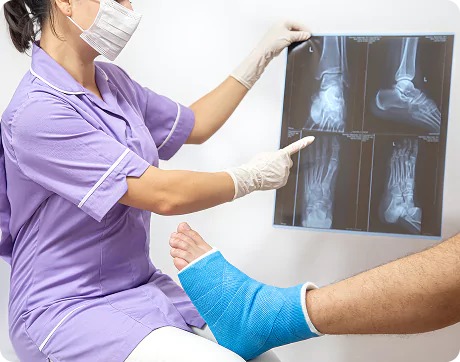
Dr. Ganesh Navaneedhan can diagnose shoulder instability by performing a joint examination. To confirm the diagnosis and guide treatment, he will order a diagnostic imaging service such as an X-ray or MRI.
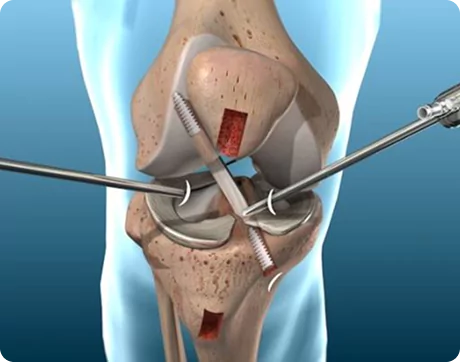
Surgery might be recommended to repair the injured shoulder joint. The procedure is usually performed arthroscopically for soft tissue repair. However, a bone transplant is occasionally required, which is performed with open surgery.
Dr. Ganesh Navaneedhan performs arthroscopy through a few incisions on your shoulder.
An arthroscope, a small surgical instrument about the same size as a pencil that has a light on its tip and transmits video from your shoulder to the monitor in the treatment area, is used by him.
He can see injured tissue and other signs of injury with the arthroscope without needing to incision your shoulder.
Minimally invasive surgery offers many benefits, including reduced scarring and infection, a shorter recovery time, and less blood loss. However, open surgery may be necessary to fix shoulder tissue damage in some cases.
Contact us now and learn more about the treatment options and surgical approach that can provide the best results for your instability.
When it comes to shoulder dislocation treatment in Kerala, Dr. Ganesh stands out as one of the leading orthopaedic specialists, known for his expertise and patient-focused care. Based in Trivandrum, he offers advanced, minimally invasive techniques for both non-surgical and surgical management of shoulder injuries.
Patients choose Dr. Ganesh not only for his skill as a top shoulder dislocation surgeon in Kerala, but also for his commitment to affordable care, providing transparent and reasonable shoulder dislocation surgery costs in Kerala without compromising on quality. Whether it’s your first dislocation or a recurring issue, Dr. Ganesh ensures personalised treatment plans and faster recovery with comprehensive follow-up care.
TC 9/1485(1) (New TC 22/1882), Redhappurakunnu
Road, Sasthamangalam, Trivandrum-10