

Foods High in Potassium: Why They Matter for Muscle, Bone & Joint Health

When we think about orthopaedic health, we often focus on bones, joints, ligaments, and muscles. However, nutrition plays a crucial role in keeping the musculoskeletal system strong and supporting recovery after injury or surgery. One essential nutrient that is often overlooked is potassium.
Potassium is a vital mineral and electrolyte that helps muscles contract, nerves function properly, and bones stay strong. For patients dealing with muscle cramps, joint pain, fractures, or post-surgical recovery, foods high in potassium can make a meaningful difference.
In this article, we explain why potassium is important for orthopaedic health, who may benefit most, and which foods you should include in your diet.
Why Potassium Is Important for Orthopaedic Health
1. Supports Muscle Function and Prevents Cramps
Potassium plays a key role in muscle contraction and relaxation. Low potassium levels can lead to:
- Muscle cramps
- Muscle weakness
- Fatigue
- Spasms during physical activity
These issues are common in:
- Athletes
- Patients undergoing physiotherapy
- People recovering from fractures or ligament injuries
Adequate potassium intake helps muscles work smoothly, reducing discomfort and improving mobility.
2. Helps Maintain Strong Bones
Potassium contributes to bone health by reducing calcium loss through urine. When calcium is preserved in the body, bones remain stronger and denser.
This is particularly important for:
- Older adults
- Patients with osteoporosis
- Post-menopausal women
- Individuals with a history of fractures
While potassium alone cannot prevent bone disease, it plays a supportive role alongside calcium and vitamin D.
3. Aids Recovery After Orthopaedic Surgery
After orthopaedic procedures such as:
- Knee replacement
- Hip replacement
- Fracture fixation
- Ligament or tendon repair
the body needs optimal nutrition to heal effectively.
Potassium helps by:
- Supporting nerve signalling
- Improving muscle strength during rehabilitation
- Maintaining fluid balance
- Reducing post-operative muscle fatigue
Including foods high in potassium can support faster, smoother recovery when combined with proper medical care and physiotherapy.
4. Supports Joint Movement and Mobility
Muscles around joints depend on potassium for proper coordination. When potassium levels are low, patients may experience stiffness, reduced range of motion, or difficulty during exercises.
This is especially relevant for patients with:
- Arthritis
- Chronic joint pain
- Sports injuries
- Long-term immobilisation
Foods High in Potassium That Support Orthopaedic Health
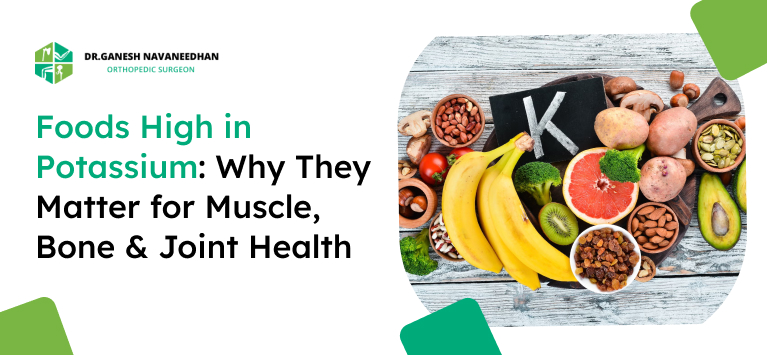
Here are some potassium-rich foods that are easy to include in everyday meals and beneficial for muscle and bone health:
Fruits High in Potassium
- Bananas – easy to digest and widely available
- Oranges and orange juice
- Avocados – also rich in healthy fats for joint health
- Cantaloupe and honeydew melon
- Apricots (fresh or dried)
- Pomegranates
Vegetables High in Potassium
- Spinach
- Sweet potatoes
- Potatoes (with skin)
- Broccoli
- Tomatoes and tomato juice
- Beetroot
Other Potassium-Rich Foods
- Beans and lentils (kidney beans, chickpeas, lentils)
- Yoghurt and milk
- Coconut water
- Nuts and seeds
- Fish (salmon, tuna)
These foods not only provide potassium but also offer other nutrients that support orthopaedic healing.
Who Should Pay Special Attention to Potassium Intake?
Potassium intake is especially important for:
- Patients with frequent muscle cramps
- Athletes and physically active individuals
- Elderly patients with reduced muscle mass
- People recovering from orthopaedic surgery
- Individuals with poor appetite during illness or recovery
However, potassium intake should be balanced, especially in patients with kidney disease or certain medical conditions.
Can Low Potassium Affect Orthopaedic Recovery?
Yes. Low potassium levels (hypokalaemia) may lead to:
- Increased muscle weakness
- Slower rehabilitation progress
- Higher risk of falls
- Reduced exercise tolerance
- Delayed functional recovery
This is why orthopaedic recovery plans often include dietary guidance alongside medical treatment and physiotherapy.
How Much Potassium Do You Need?
Most adults require approximately 3,500–4,700 mg of potassium per day, depending on age, sex, and activity level.
It’s best to meet this requirement through natural food sources rather than supplements, unless advised by a healthcare professional.
Important Medical Note
While foods high in potassium are beneficial, patients with kidney problems, heart conditions, or those on certain medications should consult their doctor before increasing potassium intake.
Always follow personalised medical advice, especially during post-surgical recovery.
Final Thoughts
Orthopaedic health is not just about bones and joints—it’s about how muscles, nerves, and nutrition work together. Including foods high in potassium can:
- Improve muscle function
- Support bone strength
- Reduce cramps
- Enhance recovery after orthopaedic injuries or surgery
When combined with proper treatment, physiotherapy, and medical supervision, a potassium-rich diet can support better movement, stability, and long-term musculoskeletal health.
If you are undergoing orthopaedic treatment or recovery, speak with your doctor or dietitian to create a nutrition plan that supports your healing journey.