

Do Babies Have Kneecaps? When Do Babies Develop Kneecaps?

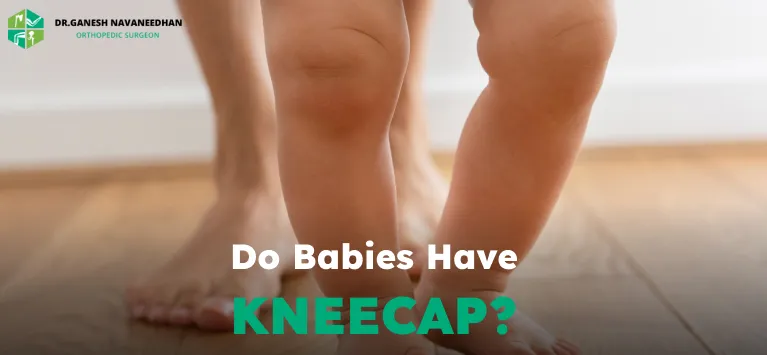
If you’ve ever held a newborn or watched a baby kick their legs, you may have noticed that their knees feel soft. This often leads parents to wonder: Do babies have kneecaps at all? You may even hear people say that babies are born without kneecaps.
The truth is a little more interesting — and completely normal. Babies do have kneecaps, but they are very different from adult kneecaps. Understanding how kneecaps develop can help parents worry less and better understand their child’s growth.
This blog explains what kneecaps are, whether babies are born with them, when kneecaps turn into bone, and why this process is important.
What Is a Kneecap?
The kneecap is a small, flat bone that sits at the front of the knee joint. Its medical name is the patella. In adults, the kneecap helps protect the knee joint and makes leg movement more efficient, especially when walking, running, or climbing stairs.
The kneecap works together with the thigh bone (femur), shin bone (tibia), and surrounding muscles and tendons to allow smooth bending and straightening of the leg.
However, in babies, the kneecap does not start as a hard bone.
Do Babies Have Kneecaps at Birth?
Yes, babies do have kneecaps — but not in the form of hard bone.
When a baby is born, the kneecap is made of cartilage, not bone. Cartilage is a soft, flexible tissue found in many parts of the body, such as the nose, ears, and joints. Because cartilage is not hard like bone, it does not show up clearly on X-rays.
This is why many people believe babies are born without kneecaps. In reality, the kneecaps are present, but they are soft and still developing.
Why Are Baby Kneecaps Made of Cartilage?
There are several important reasons why nature designed baby kneecaps this way.
Easier Childbirth
Soft cartilage allows the baby’s body to be more flexible during birth. Hard bones in certain areas could make delivery more difficult and risky for both mother and baby.
Safe and Flexible Movement
Babies move their legs constantly — kicking, stretching, crawling, and eventually standing. Cartilage allows the knees to bend easily without the risk of damage that hard bone might cause at such an early stage.
Protection During Early Growth
Cartilage acts like a cushion. It absorbs pressure and protects the knee joint as babies learn to move, fall, and explore their surroundings.
This flexibility is not a weakness. It is an essential part of healthy growth.
When Do Babies Develop Kneecaps?
The process of cartilage turning into b=one is called ossification. This process happens slowly over several years and does not happen at the same time for every child.
Early Development (Birth to 2 Years)
During infancy, the kneecap remains entirely cartilage. There is no hard bone present yet, and this is completely normal.
Ossification Begins (Around 2 to 6 Years)
Most children begin forming bone tissue in their kneecaps between the ages of 2 and 6 years. Small centers of bone start developing inside the cartilage. These bone centers gradually expand as the child grows.
Full Development (Around 10 to 12 Years)
By late childhood or early adolescence, the kneecap usually becomes mostly bone. Even then, a thin layer of cartilage remains to help cushion the joint and allow smooth movement.
Summary Timeline
- Birth: Kneecaps are cartilage
- Ages 2–6: Bone formation begins
- Ages 10–12: Kneecaps mostly become bone
Some children may develop slightly earlier or later. This variation is usually normal.
Is It Normal for Baby Knees to Feel Soft?
Yes. Soft knees in babies are completely normal and expected.
Because the kneecaps are cartilage, the knee area may feel squishy or less firm than an adult’s knee. This does not mean the knee is weak or damaged. It simply means the body is still growing.
As the child grows and bone replaces cartilage, the knee will gradually feel firmer.
Can Kneecap Development Cause Problems?
In most babies and children, kneecap development does not cause any problems. At birth, the kneecap is made of soft cartilage, not bone. As a child grows, this cartilage slowly hardens into bone over several years. This is a normal part of development.
Because the kneecap develops gradually, many parents worry when they hear that babies “do not have kneecaps.” This is a misunderstanding. Babies do have kneecaps, but they are not yet visible on X-rays because they have not turned into bone.
In most cases, kneecap development happens naturally without pain or movement issues. Problems are uncommon and usually mild. However, if a child has ongoing knee pain, difficulty walking, frequent falls, or swelling around the knee, it is important to consult a doctor for evaluation.
Potential Issues With Kneecap Development
Although rare, some children may experience issues related to kneecap development. These can include:
Delayed Kneecap Ossification
In some children, the kneecap takes longer than usual to harden into bone. This often corrects itself over time and does not affect walking or activity.
Kneecap Instability
If the kneecap does not sit properly in its groove, it may move more than normal. This can cause discomfort, a feeling of the knee “giving way,” or difficulty during activities like running.
Kneecap Tracking Problems
The kneecap may not move smoothly when the knee bends and straightens. This can sometimes lead to pain, especially during physical activity.
Pain or Stiffness
Some children may experience knee pain during growth spurts when bones and muscles are developing at different speeds.
Rare Developmental Conditions
Very rarely, children may be born with kneecap abnormalities or missing kneecaps, often linked to genetic conditions. These cases need specialist care.
Bipartite Patella
In some children, the kneecap develops from two separate bone pieces instead of one. This condition often causes no symptoms and is discovered accidentally on X-rays later in life.
Knee Pain in Older Children
Conditions like Osgood-Schlatter disease can cause pain just below the kneecap in active children or teenagers. This is related to growth and activity, not a problem from infancy.
If a child has persistent knee pain, swelling, limping, or difficulty walking, a pediatrician should be consulted.
How Kneecap Development Supports Walking and Running
The kneecap plays an important role in leg strength and movement. As children grow and begin walking, running, and jumping, the kneecap improves the efficiency of the thigh muscles.
The gradual change from cartilage to bone ensures that the knee joint becomes stronger at the right time, matching the child’s activity level.
Should Parents Do Anything to Help Kneecap Development?
In normal, healthy children, no special treatment is needed.
Parents can support overall bone and joint health by:
- Providing a balanced diet with calcium and vitamin D
- Encouraging age-appropriate physical activity
- Ensuring regular pediatric check-ups
There is no need for supplements or special exercises unless advised by a doctor.
When Should Parents Be Concerned?
You should be concerned if you notice:
- Persistent knee swelling or redness
- Pain that affects walking or crawling
- One knee looking very different from the other
- Delayed physical milestones
These signs are rare but should always be checked.
Final Thoughts
So, do babies have kneecaps?
Yes — but they are made of soft cartilage at birth, not hard bone.
This cartilage gradually turns into bone over several years, usually starting between ages 2 and 6 and finishing around ages 10 to 12. This slow process is natural and essential for healthy growth.
Soft knees in babies are normal, safe, and designed to support early movement and development. Understanding this helps parents feel confident and reassured as their child grows.