

Is Osteoarthritis an Autoimmune Disease?

When people hear the word “arthritis,” they often think it is one single disease. But arthritis has many types, and each type works differently inside the body. One common type is osteoarthritis (OA). If you or someone in your family has joint pain, stiffness, or swelling, you may have wondered:
“Is osteoarthritis an autoimmune disease?”
The short answer is No — osteoarthritis is not an autoimmune disease.
But to understand this clearly, we need to look at what osteoarthritis is, what autoimmune diseases are, and how they differ.
What Is Osteoarthritis?
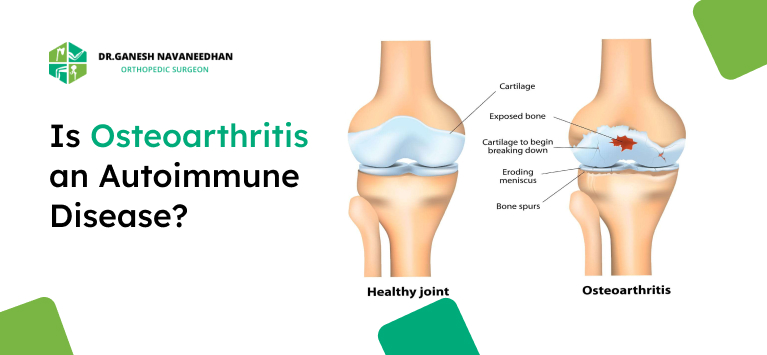
Osteoarthritis is the most common form of arthritis in the world. It is often called the “wear and tear” arthritis because it usually happens when the protective cartilage in the joints slowly breaks down.
Cartilage is a smooth, rubbery tissue that covers the ends of the bones. It helps bones move smoothly without rubbing against each other. But with age, overuse, injuries, or excess weight, this cartilage begins to wear away.
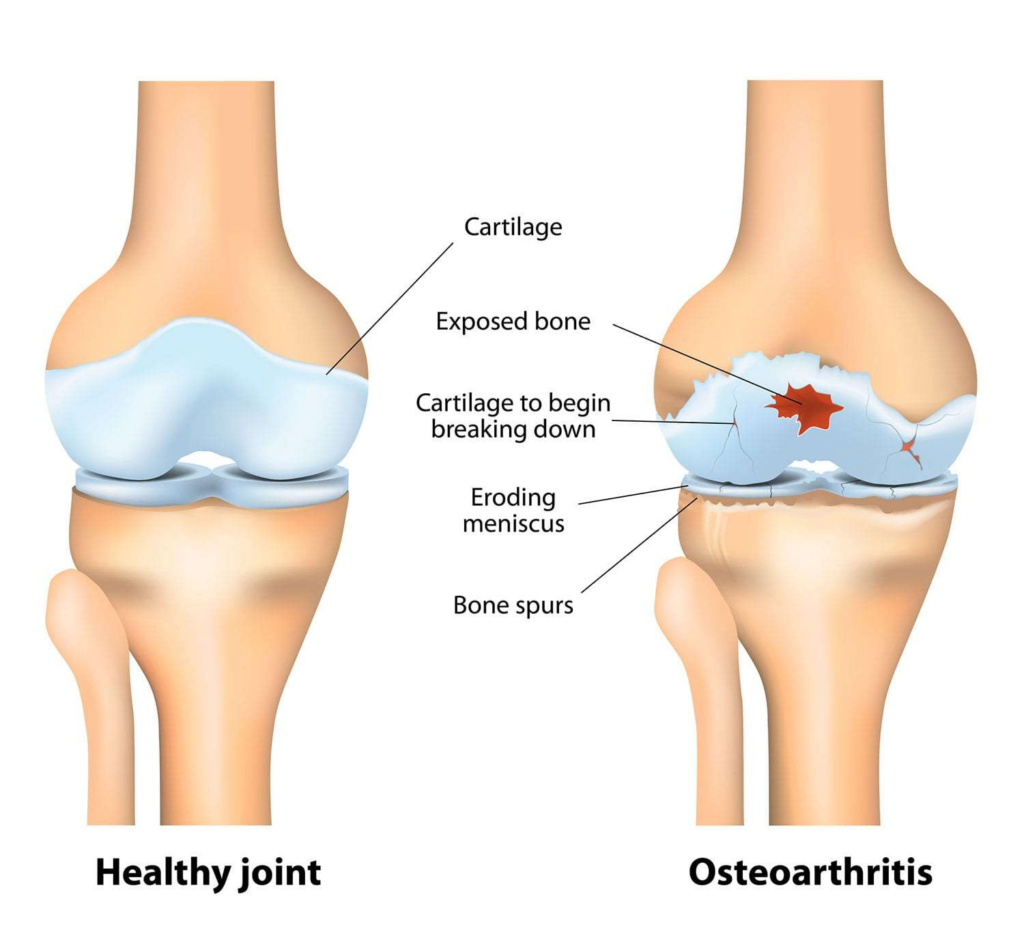
When that happens, you may feel:
- Joint pain
- Stiffness, especially after rest
- Crunching or cracking sounds
- Swelling
- Difficulty moving the joint fully
Osteoarthritis usually affects major load-bearing joints such as the knees, hips, spine, and sometimes the fingers.
How Osteoarthritis Is Different from Autoimmune Arthritis
Here is a simple comparison to help you understand:
1. Cause
- Osteoarthritis: Wear and tear, aging, overuse, joint strain, injuries
- Autoimmune arthritis: Immune system attacks the joints
2. Onset
- Osteoarthritis: Develops slowly over years
- Autoimmune arthritis: Can come suddenly, with flare-ups
3. Symptoms
- Osteoarthritis: Pain with movement, stiffness after rest
- Autoimmune arthritis: Constant pain, swelling, redness, warmth, morning stiffness lasting hours
4. Age Group
- Osteoarthritis: More common in older adults
- Autoimmune arthritis: Can happen at any age, even young adults
5. More Commonly Affected Joints
- Osteoarthritis: Knees, hips, spine, hands
- Autoimmune arthritis: Small joints like fingers, wrists, both sides of the body
6. Whole-body Effects
- Osteoarthritis: Mainly affects joints only
- Autoimmune arthritis: Can affect eyes, lungs, heart, skin, etc.
Why Do People Get Confused?
If osteoarthritis is so different from immune-related diseases, why do so many people still mix them up?
The biggest reason is inflammation.
For many years, doctors believed osteoarthritis was only a “wear-and-tear” problem — like two dry bones rubbing against each other. But newer research shows that osteoarthritis can also cause mild inflammation inside the joint.
When the cartilage starts to break down, the tiny pieces irritate the joint lining. This irritation leads to:
- slight swelling
- warmth
- stiffness
Because inflammation is also seen in immune-related joint problems, people assume osteoarthritis must be an autoimmune disease — but it is not.
The inflammation in OA happens because the joint is worn out, not because the immune system is attacking the body.
What Actually Causes Osteoarthritis?
Here are the major factors:
1. Aging
The older the joint, the more likely the cartilage becomes worn out.
2. Joint Overuse
Repeated movements (like climbing stairs or long hours of standing) can stress the joints.
3. Previous Injuries
Sports injuries, fractures, or ligament tears increase OA risk later in life.
4. Excess Body Weight
Extra weight puts extra pressure on load-bearing joints.
5. Genetics
If your parents or grandparents had osteoarthritis, you may be more likely to develop it too.
6. Weak Muscles
Weak muscles put more stress on the joints.
7. Poor Posture or Alignment
Misaligned knees, flat feet, or uneven hips can lead to extra strain on joints.
Is There Inflammation in Osteoarthritis?
Yes — but not the same type of inflammation seen in autoimmune diseases.
In osteoarthritis:
- Inflammation is mild
- It happens as a reaction to joint damage
- It does not come from the immune system attacking the body
So, the inflammation in osteoarthritis is actually the body trying to protect the joint, not harm it.
When to See a Doctor
Consult a doctor if you notice:
- Pain that lasts more than a few weeks
- Morning stiffness lasting longer than 20–30 minutes
- Swelling or redness
- Difficulty walking, climbing stairs, or doing daily tasks
- Sudden increase in pain
Getting medical advice early can protect your joints from further damage.
Final Answer: Osteoarthritis Is NOT an Autoimmune Disease
To summarise:
- Osteoarthritis is caused by wear and tear, NOT by the immune system.
- It is different from autoimmune diseases like rheumatoid arthritis.
- OA mainly affects joints due to age, overuse, injuries, and lifestyle.
- You can manage and prevent OA with healthy habits, exercise, weight control, and proper treatment.
Understanding this difference helps people choose the right treatment and take better care of their joint health.