

What Causes Arthritis and Can Arthritis Be Reversed?

Arthritis is a common problem that affects the joints. Joints are the places where two bones meet, like the knees, hips, shoulders, and fingers. When a joint becomes unhealthy or inflamed, it can cause pain, stiffness, and difficulty in movement.
In India, arthritis is becoming more common due to long sitting hours, lack of exercise, excess weight, and delayed treatment. Many people live with joint pain without knowing that it could be arthritis.
This blog explains what causes arthritis, whether arthritis can be reversed, what arthritis feels like, how to know if you have arthritis, and if there is a cure for arthritis.
What Is Arthritis?
Arthritis is not a single disease. It is a term used for joint inflammation that causes pain, stiffness, swelling, and reduced movement. A joint is where two bones meet, like the knee, hip, shoulder, or fingers.
There are many types of arthritis, but the most common ones are:
- Osteoarthritis (OA) – wear and tear of joints
- Rheumatoid Arthritis (RA) – an autoimmune disease
- Gout – caused by uric acid buildup
- Psoriatic Arthritis – linked with psoriasis
Each type affects the joints in a different way.
What Causes Arthritis?
Arthritis can happen for many reasons. The cause depends on the type of arthritis, age, lifestyle, and overall health.
1. Age and Joint Wear
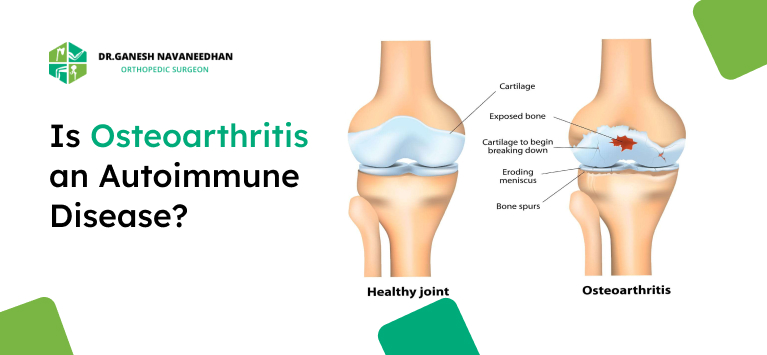
As we get older, the soft cushion in our joints (called cartilage) slowly wears out. When this cushion becomes thin, bones start rubbing against each other. This causes pain and stiffness, especially in the knees and hips.
This is the most common cause of osteoarthritis.
2. Injury or Repeated Stress
Past injuries, accidents, or heavy physical work can damage joints. Repeated activities like lifting heavy weights, squatting often, or sitting for long hours can also harm the joints.
Over time, this leads to arthritis.
3. Immune System Problems
In rheumatoid arthritis, the body’s immune system attacks its own joints by mistake. This causes swelling, pain, and joint damage. It can affect people at any age.
4. Excess Body Weight
Being overweight puts extra pressure on weight-bearing joints like knees, hips, and the lower back. This increases the risk of arthritis and makes existing joint pain worse.
5. Family History
If your parents or close family members have arthritis, you may have a higher chance of developing it.
6. Poor Lifestyle Habits
Lack of exercise, unhealthy food, smoking, and high stress levels increase inflammation in the body and can worsen joint health.
7. Infections and Metabolic Issues
Some infections and high uric acid levels (gout) can trigger arthritis.
Can Arthritis Be Reversed?
This is one of the most common questions people ask.
The Simple Answer:
Most types of arthritis cannot be completely reversed, but they can be controlled and managed very well.
Osteoarthritis
- The cartilage damage cannot be reversed
- But pain, stiffness, and progression can be slowed
- Many people live active, pain-free lives with proper care
Rheumatoid Arthritis
- There is no permanent cure
- Early treatment can control inflammation and prevent joint damage
- Many patients go into remission (very low or no symptoms)
Gout
- Gout can be controlled and even prevented
- Managing uric acid levels helps avoid future attacks
What Helps Manage Arthritis?
- Early diagnosis
- Regular exercise
- Weight management
- Medicines
- Physiotherapy
- Lifestyle changes
With the right treatment plan, many patients feel significant improvement.
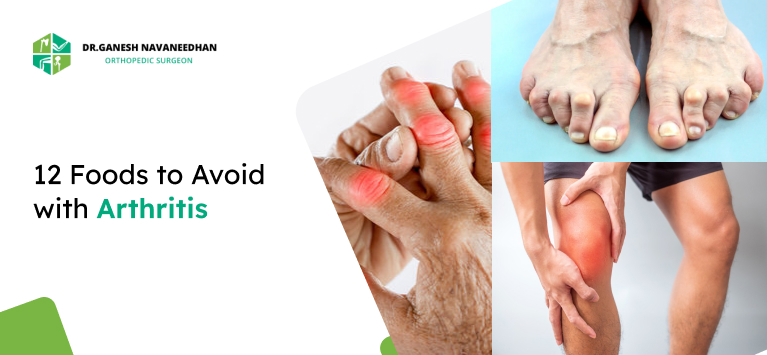
Also Read: Foods To Avoid With Arthritis
What Does Arthritis Feel Like?
Arthritis symptoms may start slowly and worsen over time. Common signs include:
1. Joint Pain
Pain may be dull, aching, or sharp. It often increases after activity.
2. Stiffness
Joints may feel stiff, especially:
- In the morning
- After sitting or resting
Morning stiffness lasting more than 30 minutes may indicate inflammatory arthritis.
3. Swelling and Warmth
The affected joint may look swollen or feel warm when touched or red.
4. Difficulty in Movement
Simple activities like walking, climbing stairs, bending, or holding objects may become difficult.
5. Clicking or Grinding Sound
In osteoarthritis, joints may make cracking or grinding noises.
6. Fatigue (Especially in RA)
People with rheumatoid arthritis often feel tired or weak.
Symptoms can vary from mild to severe and may affect daily activities.
How Do You Know If You Have Arthritis?
If joint pain lasts more than 2–3 weeks, it should not be ignored.
Signs You Should See a Doctor:
- Continuous joint pain or swelling
- Morning stiffness
- Difficulty moving joints
- Pain that affects sleep or daily work
How Doctors Diagnose Arthritis
Doctors may recommend:
- Physical examination
- X-rays or MRI scans
- Blood tests (for RA, gout, infection)
- Joint fluid tests
Early diagnosis is very important to prevent joint damage.
Is There a Cure for Arthritis?
Currently, there is no single cure for arthritis, but there are very effective treatments.
Treatment Options Include:
1. Medicines
- Pain relievers
- Anti-inflammatory drugs
- Disease-modifying drugs (for RA)
2. Physiotherapy
- Strengthens muscles
- Improves flexibility
- Reduces stiffness
3. Lifestyle Changes
- Regular low-impact exercise (walking, yoga, swimming)
- Healthy diet
- Weight control
4. Injections
- Steroid injections
- Lubricating injections (for knees)
5. Surgery (In Severe Cases)
- Joint replacement surgery for advanced arthritis
With proper care, most patients can live comfortably and stay active.
Arthritis Care in India: What You Should Know
In India, arthritis cases are rising due to:
- Sedentary lifestyle
- Long working hours
- Lack of exercise
- Late diagnosis
The good news is that advanced arthritis treatments are now available across India, including:
- Modern medicines
- Physiotherapy centres
- Minimally invasive surgeries
- Affordable joint replacement options
Early treatment reduces long-term costs and improves quality of life.
Can Lifestyle Changes Really Help Arthritis?
Yes, very much.
Simple Daily Tips:
- Maintain a healthy weight
- Avoid sitting for long hours
- Stretch regularly
- Eat anti-inflammatory foods (vegetables, fruits, nuts)
- Avoid smoking
- Manage stress
Small changes can make a big difference over time.
Final Thoughts
Arthritis is a long-term condition, but it does not mean the end of an active life. While arthritis cannot always be reversed, it can be controlled, and pain can be reduced with the right treatment.
Early diagnosis, proper medical care, and healthy habits can help you stay mobile, independent, and pain-free for many years.
If you have ongoing joint pain, don’t ignore it — consult a specialist early and protect your joints.