


Why Is a Hip Fracture So Dangerous?

A hip fracture might sound like just another broken bone, but for older adults, it’s one of the most serious injuries that can happen. The hip plays a key role in walking, standing, and maintaining balance — and when it breaks, it can affect not only mobility but also overall health and independence.
In this article, we’ll explain why a hip fracture is so dangerous, what causes it, the possible complications, and how early treatment and rehabilitation can make a difference.
What Is a Hip Fracture?
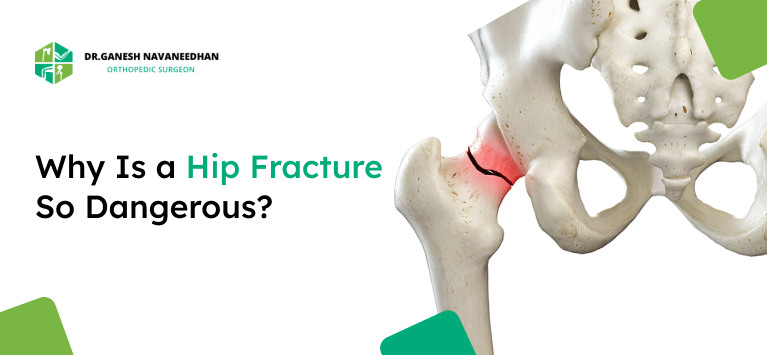
A hip fracture is a break that occurs in the upper part of the femur (thigh bone), near the hip joint. It usually happens due to a fall, accident, or trauma. However, in older adults, even a simple fall or minor twist can cause a fracture if the bones are weak due to osteoporosis.
The hip joint is a ball-and-socket joint — the “ball” being the top of the thigh bone (femoral head), and the “socket” being part of the pelvis (acetabulum). A fracture in this area affects how the joint moves, leading to severe pain and loss of mobility.
Why Is a Hip Fracture So Dangerous?
A hip fracture is more than just a bone injury. It can trigger a chain of health problems that can affect multiple body systems. Here are the main reasons why it’s considered dangerous:
1. Loss of Mobility
After a hip fracture, most people cannot walk or move without help. This sudden immobility can lead to muscle weakness, stiffness, and reduced circulation. Being bedridden for a long time increases the risk of bedsores, blood clots, and pneumonia.
2. Complications After Surgery
Most hip fractures need surgery — either to repair the bone or to replace part (or all) of the hip joint. Although surgery is often successful, it comes with risks, especially for older adults with other health issues like heart disease or diabetes.
Possible complications include:
- Infection
- Blood loss
- Blood clots (deep vein thrombosis)
- Reaction to anesthesia
3. Increased Risk of Mortality
Studies show that the risk of death within a year after a hip fracture can be as high as 20–30% in elderly patients. The reasons include surgical complications, infections, and the decline in overall health due to immobility.
4. Loss of Independence
Before the injury, many seniors live independently or with minimal help. After a hip fracture, even with treatment, it can be difficult to return to normal activities. Many patients require long-term care or assistance with daily tasks such as bathing, dressing, and walking.
5. Psychological Impact
A hip fracture doesn’t only hurt physically — it also affects mental health. Many patients experience depression, anxiety, and fear of falling again. This fear can make them less active, which further weakens the body and slows recovery.
6. Weakened Immune System and Overall Health
Prolonged immobility can weaken the immune system, making the body more prone to infections such as urinary tract infections (UTIs) or pneumonia. Recovery also requires good nutrition and strength — but pain, stress, and reduced appetite can interfere with this.
Who Is Most at Risk for Hip Fractures?
While anyone can fracture a hip, some groups are more at risk than others.
1. Older Adults
With age, bones become weaker and more brittle due to osteoporosis. Muscle strength and balance also decline, making falls more likely.
2. Women
Women are more prone to osteoporosis, especially after menopause, due to lower estrogen levels. This makes them about three times more likely to suffer a hip fracture than men.
3. People with Osteoporosis
Osteoporosis causes bones to lose density and become fragile. Even minor impacts can lead to fractures.
4. People with Poor Vision or Balance Problems
Conditions like poor eyesight, vertigo, or neurological disorders increase the risk of falls.
5. Individuals on Certain Medications
Some medications — like sedatives, sleeping pills, or blood pressure drugs — can cause dizziness or balance issues, increasing the risk of falls.
6. People with Nutritional Deficiencies
Low calcium and vitamin D levels can weaken bones, making them more likely to break.
Symptoms of a Hip Fracture
A hip fracture causes immediate and severe pain, but here are some common symptoms to look for:
- Intense pain in the hip or groin
- Inability to stand or put weight on the leg
- Shortening or turning outward of the affected leg
- Swelling or bruising around the hip area
- Stiffness or inability to move the leg
If you suspect a hip fracture, seek medical help immediately. Waiting too long can make the injury worse and increase complications.
How Is a Hip Fracture Diagnosed?
Doctors use a combination of physical examination and imaging tests to confirm a hip fracture:
- X-rays: The most common test to show the location and type of fracture.
- MRI (Magnetic Resonance Imaging): Helps detect small fractures not visible on X-rays.
- CT Scan: Gives detailed images of the hip joint and surrounding bones.
Treatment for Hip Fractures
The goal of treatment is to relieve pain, repair the bone, and restore movement as quickly as possible.
1. Surgery
Most patients will need hip replacement surgery within 24–48 hours. The type of surgery depends on the fracture’s location and severity.
- Internal Fixation (Hip Pinning): Metal screws or plates are used to hold the bone together while it heals.
- Partial Hip Replacement (Hemiarthroplasty): Replaces the broken part of the femur with an artificial implant.
- Total Hip Replacement: Both the ball and socket of the joint are replaced with artificial parts.
Also Read: Why Do People Need Hip Replacements
2. Rehabilitation and Physical Therapy
After surgery, rehabilitation begins as soon as possible. Physical therapy helps restore movement, strengthen muscles, and reduce stiffness. Early mobility is key to preventing complications.
3. Medications
Doctors may prescribe:
- Pain relievers
- Blood thinners (to prevent blood clots)
- Antibiotics (to prevent infection)
- Bone-strengthening drugs for osteoporosis
4. Lifestyle Changes
Maintaining a healthy diet rich in calcium and vitamin D, quitting smoking, and avoiding excessive alcohol can help strengthen bones and prevent future fractures.
How to Prevent Hip Fractures?
While not all hip fractures can be avoided, there are several steps to reduce the risk.
1. Prevent Falls
- Remove tripping hazards at home (like loose rugs and clutter)
- Use non-slip mats in bathrooms
- Install grab bars and handrails
- Ensure good lighting in all rooms
2. Exercise Regularly
Balance and strength exercises like walking, yoga, or tai chi help improve coordination and prevent falls.
3. Eat Bone-Healthy Foods
Include foods rich in calcium and vitamin D, such as milk, cheese, leafy greens, and fish.
4. Check Your Eyes and Medications
Regular eye exams and reviewing your medications with a doctor can help identify fall risks early.
5. Bone Density Tests
If you’re over 60 or have a history of fractures, talk to your doctor about bone density testing. Early detection of osteoporosis allows preventive treatment.
Recovery After a Hip Fracture
Recovery from a hip fracture can take several months. The first few weeks are focused on healing and regaining mobility. Most patients can walk again with the help of a walker or cane, but some may need ongoing physical therapy.
The key to recovery is early movement and comprehensive rehabilitation. Support from family, caregivers, and healthcare professionals makes a big difference in improving outcomes and restoring independence.
Key Takeaway
A hip fracture isn’t just a broken bone — it’s a life-changing injury that affects mobility, health, and quality of life. It’s dangerous because it can lead to complications like infections, blood clots, and even life-threatening conditions, especially in the elderly.
However, with early treatment, surgery, and proper rehabilitation, most people can regain strength and return to an active life.
Taking preventive steps — like fall-proofing your home, eating a balanced diet, and staying physically active — is the best way to protect your hips and stay healthy as you age.


