

What is Tibia and Fibula? A Complete Guide

When we talk about the human leg, most people think of muscles or knees. But the real support system of your lower leg comes from two important bones — the Tibia and Fibula. These bones play a crucial role in helping you stand, walk, run, and maintain balance every day.
Understanding Tibia and Fibula
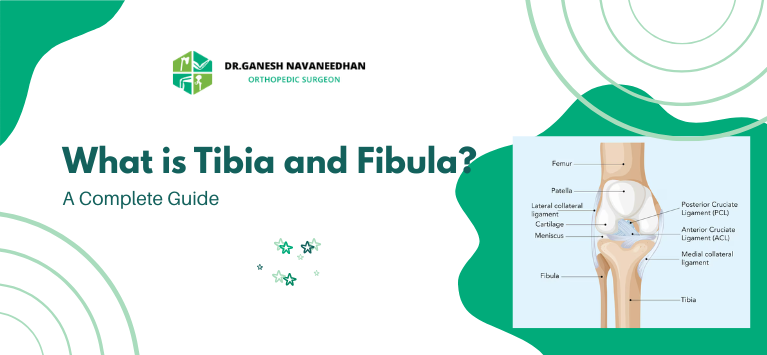
The tibia and fibula are the two long bones located in your lower leg, between your knee and ankle.
- Tibia (Shin Bone)
This is the larger and stronger bone. It carries most of your body weight. - Fibula
This is the thinner bone located beside the tibia. It mainly helps with balance and stability.
Even though they are different in size and function, both bones work together to support your leg movements.
Where Are Tibia and Fibula Located?
The tibia and fibula run parallel to each other in the lower leg:
- They start just below the knee joint
- Extend down to the ankle
- Connect with muscles, ligaments, and joints
The tibia forms part of both the knee joint and the ankle joint, while the fibula mainly supports the ankle.
Functions of Tibia and Fibula
The tibia and fibula are not just bones; they are essential for daily movement.
1. Weight Bearing
The tibia carries most of your body weight when you stand or walk.
2. Stability and Balance
The fibula provides stability, especially when you move or change direction.
3. Movement Support
Both bones work with muscles to help you:
- Walk
- Run
- Jump
- Climb stairs
4. Muscle Attachment
Many muscles attach to the tibia and fibula, helping in leg movement and strength.
Why Tibia and Fibula Are Important
Without properly functioning tibia and fibula, even simple activities like walking can become difficult.
They help in:
- Maintaining posture
- Keeping your balance steady
- Absorbing shock during movement
In short, they are the foundation of your lower body.
Common Injuries of Tibia and Fibula
Like any part of the body, the tibia and fibula can get injured. Some common problems include:
1. Fractures
Breaks in the bones caused by:
- Falls
- Accidents
- Sports injuries
2. Stress Fractures
Small cracks due to repeated pressure, common in runners.
3. Shin Pain
Pain in the tibia area due to overuse or strain.
4. Ligament Injuries
Though not bones, injuries around these bones can affect their function.
Signs of Tibia and Fibula Injury
You should pay attention if you notice:
- Pain in the lower leg
- Swelling or bruising
- Difficulty walking
- Visible deformity in severe cases
- Tenderness when touching the area
If these symptoms appear, it is important to consult a doctor immediately.
How Are Tibia and Fibula Injuries Treated?
Treatment depends on how serious the injury is.
Mild Injuries
- Rest
- Ice packs
- Compression
- Elevation
Moderate Injuries
- Braces or casts
- Pain management
- Physiotherapy
Severe Cases
- Surgery may be required to fix broken bones
- Metal rods or plates may be used
Recovery time can vary from a few weeks to several months.
Tips to Keep Tibia and Fibula Healthy
Taking care of your tibia and fibula is important for long-term mobility.
- Stay active
Regular movement strengthens bones and muscles. - Eat a balanced diet
Include foods rich in calcium, vitamin D, and protein. - Wear proper footwear
Good shoes reduce stress on your lower leg. - Avoid overtraining
Give your body time to rest and recover. - Maintain good posture
Proper alignment reduces unnecessary strain.
When Should You See a Doctor?
Do not ignore pain in your lower leg. Visit a doctor if:
- Pain lasts more than a few days
- You cannot put weight on your leg
- There is swelling or deformity
- You heard a cracking sound during injury
Early treatment can prevent complications.
Final Thoughts
The tibia and fibula may not be something we think about daily, but they are essential for almost every movement we make. From standing still to running fast, these two bones work silently to support your body.
Understanding how the tibia and fibula function can help you take better care of your legs, avoid injuries, and stay active for years to come.