

What Causes Knee Pain in Females?

Knee pain is one of the most common health issues many women face at different stages of life. Whether it’s a young girl who plays sports, a working woman with a busy lifestyle, or someone in her 40s or 50s dealing with joint problems—knee pain can affect anyone.
In India, especially in places where people sit on the floor, use stairs often, or do physically demanding work, knee pain in females is becoming more common. The good news? Most causes can be understood easily and managed with the right care.
Why Are Women More Prone to Knee Pain?
Before we look at causes, it’s important to understand why women experience knee pain more than men.
- Women have wider hips, which changes the angle of the knee joint
- Hormonal changes (like estrogen) affect joint strength
- Lower muscle mass compared to men
- Lifestyle habits like sitting cross-legged or squatting often
All these factors put extra pressure on the knees over time.
Common Causes of Knee Pain in Females
1. Osteoarthritis (Wear and Tear)
This is the most common reason, especially in women above 40.
- Happens when the cartilage (soft cushion in the knee) wears out
- Bones start rubbing against each other
- Causes pain, stiffness, and swelling
Why more in women?
Hormonal changes after menopause increase the risk.
Symptoms:
- Pain while walking or climbing stairs
- Morning stiffness
- Cracking sound in knees
2. Patellofemoral Pain Syndrome (Front Knee Pain)
This condition is very common in young women and active individuals.
- Pain occurs around the kneecap
- Happens due to improper movement of the kneecap
Causes:
- Overuse (running, cycling, gym workouts)
- Weak thigh muscles
- Poor posture
Symptoms:
- Pain while sitting for long time
- Pain when climbing stairs
- Discomfort after exercise
3. Hormonal Changes
Hormones play a big role in joint health.
- Estrogen helps protect joints
- During periods, pregnancy, and menopause, hormone levels change
This can lead to:
- Joint looseness
- Increased risk of injury
- Temporary knee discomfort
4. Obesity or Weight Gain
Extra body weight puts extra pressure on knees.
- Every 1 kg of weight adds 3–4 times pressure on knees
- Leads to faster joint damage
This is a major cause of knee pain in urban Indian women due to sedentary lifestyles.
5. Vitamin Deficiency
Low levels of:
- Vitamin D
- Calcium
can weaken bones and joints.
Common in India due to:
- Lack of sunlight exposure
- Poor diet
Symptoms:
- Weakness
- Bone pain
- Knee discomfort without injury
6. Rheumatoid Arthritis (Autoimmune Issue)
This is different from osteoarthritis.
- The body attacks its own joints
- Causes inflammation and pain
More common in women than men
Symptoms:
- Swelling in both knees
- Warm joints
- Morning stiffness lasting more than 30 minutes
7. Injuries and Ligament Tears
Women are more prone to knee injuries, especially:
- ACL (Anterior Cruciate Ligament) tears
- Meniscus injuries
Common causes:
- Sports activities
- Sudden twisting movements
- High heels affecting balance
8. Lifestyle Habits
Daily habits can silently damage your knees.
- Sitting cross-legged for long time
- Squatting frequently
- Using Indian-style toilets
- Standing for long hours
Over time, these increase stress on knee joints.
9. Muscle Weakness
Weak muscles = weak support for knees.
- Especially weak thigh (quadriceps) muscles
- Leads to improper knee movement
Common in:
- Women with low physical activity
- Desk job workers
10. Footwear Choices
Yes, even your footwear matters.
- High heels change body posture
- Flat slippers without support strain knees
Proper footwear can reduce knee stress significantly.
Symptoms You Should Not Ignore
Sometimes knee pain is temporary. But watch out for these signs:
- Persistent pain for more than a week
- Swelling or redness
- Difficulty walking
- Locking or clicking sound
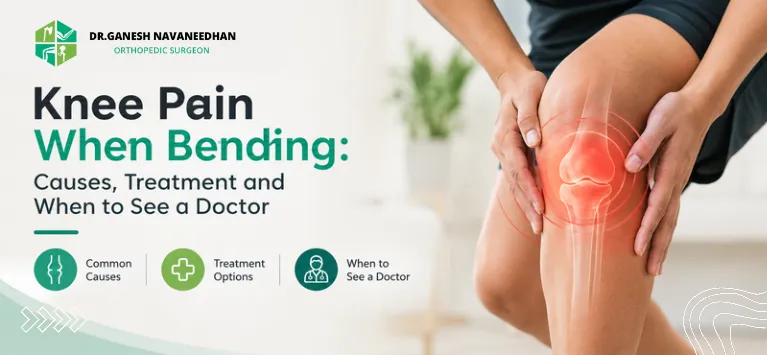
- Severe pain while bending
If you notice these, it’s better to consult a doctor early.
How to Prevent Knee Pain?
You don’t always need medicines. Small lifestyle changes help a lot.
1. Stay Active
- Walking, yoga, and light exercise strengthen knees
- Avoid complete rest unless there is injury
2. Maintain Healthy Weight
- Even small weight loss reduces pressure on knees
3. Eat a Balanced Diet
Include:
- Milk and dairy products
- Green leafy vegetables
- Nuts and seeds
4. Get Sunlight
- 15–20 minutes daily for Vitamin D
5. Strengthen Muscles
- Focus on thigh and leg exercises
6. Avoid Overstrain
- Don’t overdo workouts
- Take breaks
7. Choose Proper Footwear
- Avoid high heels for long hours
- Use cushioned shoes
When Should You See a Doctor?
Don’t ignore knee pain if:
- Pain is severe or sudden
- Swelling increases
- You cannot walk properly
- Pain affects daily activities
Early treatment can prevent bigger problems.
Treatment Options
Depending on the cause, treatment may include:
1. Medications
- Pain relief tablets
- Anti-inflammatory medicines
2. Physiotherapy
- Exercises to strengthen muscles
- Improves flexibility
3. Lifestyle Changes
- Weight loss
- Diet improvement
4. Supplements
- Calcium and Vitamin D
5. Advanced Treatments
- Injections
- Surgery (only in severe cases like advanced osteoarthritis)
Knee Pain in Different Age Groups of Women
Teens & Young Women
- Sports injuries
- Patellofemoral pain
Working Women (25–40)
- Lifestyle-related pain
- Vitamin deficiency
- Long sitting hours
Women Above 40
- Osteoarthritis
- Hormonal changes
- Bone weakness
Final Thoughts
Knee pain in females is common—but it’s not something you should ignore or accept as “normal.”
In many cases, the reason is simple: lifestyle, nutrition, or minor joint stress. But if left untreated, it can turn into a serious issue.
The key is:
- Understand the cause
- Take early action
- Maintain a healthy lifestyle
Your knees carry you every day—taking care of them today will help you stay active and pain-free in the future.