

Signs Herniated Disc Is Healing: What Recovery Usually Feels Like

A herniated disc can cause pain, discomfort, and stress that affect daily life. Simple activities like sitting, walking, bending, or even sleeping may become difficult. Many people dealing with this condition often wonder, “How do I know if my herniated disc is healing?”
The good news is that many herniated discs improve over time with proper care, rest, physical therapy, and healthy lifestyle changes. Recovery may happen slowly, but there are several positive signs that indicate your body is healing.
In this guide, we will explain the common signs a herniated disc is healing, what recovery may feel like, and when you should still seek medical attention.
What Is a Herniated Disc?
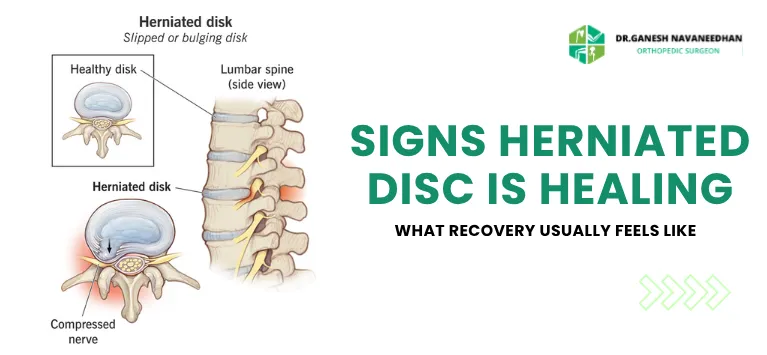
The spine is made up of small bones called vertebrae, and between these bones are soft cushions known as discs. These discs help absorb shock and support movement.
A herniated disc happens when the soft inner part of a spinal disc pushes through the outer layer. This can place pressure on nearby nerves, leading to symptoms such as:
- Back pain
- Neck pain
- Numbness
- Tingling
- Muscle weakness
- Pain that travels down the arms or legs
Herniated discs commonly occur in the lower back or neck.
How Long Does a Herniated Disc Take to Heal?
Healing time varies from person to person. Some people feel better within a few weeks, while others may take several months to recover.
Factors that affect recovery include:
- The severity of the disc herniation
- Age and overall health
- Physical activity level
- Treatment approach
- Body posture and lifestyle habits
Most people gradually improve with non-surgical treatments.
Signs a Herniated Disc Is Healing
Recovery often happens step by step rather than all at once. Recognizing small improvements can help you feel more confident during the healing process.
1. Pain Becomes Less Intense
One of the first signs a herniated disc is healing is a decrease in pain intensity.
You may notice:
- Less sharp pain
- Reduced burning sensations
- Fewer sudden pain flare-ups
- Improved comfort during daily activities
Pain may not disappear completely right away, but even gradual improvement is a positive sign.
2. Pain Occurs Less Frequently
At the beginning, pain may feel constant. As healing progresses, discomfort often becomes less frequent.
For example:
- Pain may no longer wake you at night
- Symptoms may appear only after long activity
- You may experience longer periods without discomfort
This often indicates reduced inflammation and less nerve irritation.
3. Improved Mobility and Flexibility
Many people with a herniated disc struggle with bending, twisting, sitting, or standing.
A positive sign of healing is improved movement.
You may notice:
- Easier walking
- Better posture
- Less stiffness
- Increased ability to bend or stretch
- More comfort during normal activities
Regaining mobility usually happens gradually over time.
4. Reduced Numbness and Tingling
A herniated disc can press on nerves and cause numbness or tingling sensations in the arms, hands, legs, or feet.
As the disc heals and nerve pressure decreases, these sensations may slowly improve.
You may experience:
- Less tingling
- Reduced numbness
- Better sensation in affected areas
Nerves often take time to recover, so improvements may happen slowly.
5. Muscle Strength Starts Returning
Some people experience muscle weakness because irritated nerves affect muscle function.
A good sign of healing is when strength begins returning.
You may notice:
- Improved grip strength
- Easier walking or climbing stairs
- Better balance
- More control during movement
Physical therapy often helps support muscle recovery and spinal stability.
6. Better Sleep Quality
Pain from a herniated disc can make sleeping difficult.
As healing progresses, many people notice:
- Fewer sleep interruptions
- More comfortable sleeping positions
- Improved overall rest
Better sleep is important because the body performs much of its healing and recovery during rest.
7. Reduced Need for Pain Medication
Another sign a herniated disc is healing is relying less on pain relief medication.
You may find that:
- You need fewer medications
- Lower doses are effective
- You can manage symptoms more naturally
Always follow your healthcare provider’s advice before changing medication use.
8. Daily Activities Become Easier
Simple activities may become less difficult over time.
For example:
- Sitting for longer periods
- Driving comfortably
- Carrying light objects
- Working without severe pain
- Enjoying hobbies again
These improvements often indicate the spine is becoming less irritated and more stable.
What Helps a Herniated Disc Heal?
Healing usually requires patience and consistent care.
Rest and Activity Balance
Short periods of rest may help during painful flare-ups, but too much inactivity can sometimes slow recovery.
Gentle movement and light activity often support healing.
Physical Therapy
Physical therapy helps strengthen muscles that support the spine.
Exercises may improve:
- Flexibility
- Posture
- Core strength
- Balance
- Movement patterns
A physical therapist can guide safe exercises based on your condition.
Good Posture
Poor posture may place additional stress on the spine.
Helpful posture habits include:
- Sitting with back support
- Avoiding slouching
- Lifting properly
- Taking breaks from long sitting periods
Healthy Lifestyle Habits
General health also affects recovery.
Helpful habits include:
- Staying hydrated
- Maintaining a healthy weight
- Eating nutritious foods
- Avoiding smoking
- Sleeping well
These habits support the body’s natural healing process.
When to See a Doctor
Although many herniated discs improve with conservative treatment, some symptoms require medical attention.
You should contact a healthcare provider if you experience:
- Severe or worsening pain
- Loss of bladder or bowel control
- Significant muscle weakness
- Difficulty walking
- Numbness that worsens
- Symptoms that do not improve
Early medical evaluation helps prevent complications and supports proper treatment.
Can a Herniated Disc Heal Completely?
In many cases, symptoms improve significantly over time. The body may gradually reduce inflammation and absorb some of the disc material naturally.
Some people recover fully, while others may continue to experience mild symptoms occasionally.
Long-term recovery often depends on:
- Proper treatment
- Exercise habits
- Posture
- Spine care
- Lifestyle choices
Maintaining spinal health can help reduce the risk of future flare-ups.
Stages of Herniated Disc Healing
Healing from a herniated disc usually happens gradually. Understanding the different stages of recovery can help patients know what to expect during the healing process.
Stage 1: Acute Pain and Inflammation
This is the early stage of a herniated disc and is often the most painful phase.
Common symptoms may include:
- Sharp back or neck pain
- Muscle spasms
- Numbness or tingling
- Difficulty moving comfortably
- Pain that travels to the arms or legs
During this stage, the body reacts to the injury with inflammation. Rest, pain management, and avoiding activities that worsen symptoms are usually important.
Stage 2: Reduced Inflammation
As healing begins, inflammation around the affected nerve may slowly decrease.
Signs of improvement during this stage include:
- Less intense pain
- Reduced swelling
- Better mobility
- Improved sleep quality
Many people begin physical therapy or gentle stretching exercises during this stage under professional guidance.
Stage 3: Tissue Repair and Recovery
In this phase, the body continues repairing the damaged disc area.
People may notice:
- Increased flexibility
- Improved muscle strength
- Less nerve irritation
- Better ability to perform daily activities
Although symptoms improve, occasional discomfort may still happen after long periods of sitting, lifting, or physical activity.
Stage 4: Long-Term Healing and Stability
This final stage focuses on maintaining spinal health and preventing future flare-ups.
At this point, many individuals experience:
- Minimal or no pain
- Improved posture and movement
- Better physical function
- Return to normal activities
Healthy habits such as exercise, posture correction, stretching, and core strengthening are important for long-term spine support.
Tips to Support Recovery
If you are healing from a herniated disc, these simple tips may help:
- Stay active without overexertion
- Follow your treatment plan
- Avoid heavy lifting
- Stretch gently if approved by your provider
- Practice good posture daily
- Listen to your body’s limits
- Stay consistent with physical therapy
Healing often happens gradually, so patience is important.
Final Thoughts
Recovering from a herniated disc can take time, but many people improve with proper care and healthy habits. Signs a herniated disc is healing may include reduced pain, improved movement, better sleep, less numbness, and increased strength.
Recovery is usually a gradual process, and small improvements often indicate that your body is moving in the right direction. By following medical advice, staying active safely, and supporting your spine with healthy habits, you can improve your chances of long-term recovery and better quality of life.
If symptoms become severe or do not improve, seeking professional medical care is always the safest step.