


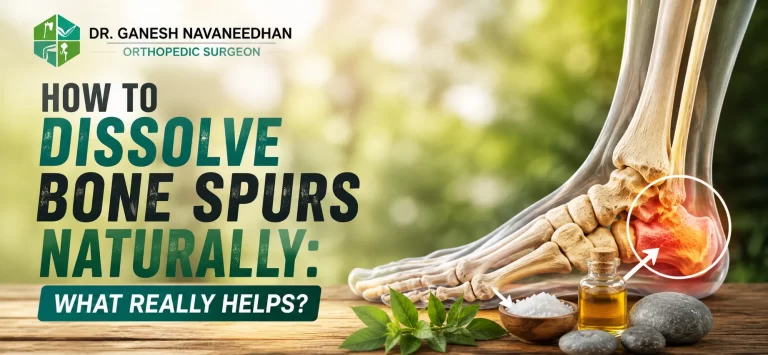
How to Dissolve Bone Spurs Naturally: What Really Helps?

Bone spurs, also called osteophytes, are extra pieces of bone that develop along the edges of bones or around joints. They are common as people get older and are often linked to osteoarthritis, joint wear and tear, previous injuries, or repeated stress on a joint.
If you have been diagnosed with a bone spur, you may wonder: Can bone spurs dissolve naturally? The simple answer is no. There is currently no food, vitamin, supplement or home remedy that can dissolve an existing bone spur.
However, this does not mean you have to live with pain. Many bone spurs do not cause symptoms at all. When they do cause pain or stiffness, lifestyle changes, physiotherapy, proper footwear, weight management and medical treatment can help reduce symptoms and improve movement.
This guide explains what bone spurs are, what causes them and what you can safely do at home to support healthier joints.
What is osteophytes?
Osteophytes are bone spurs—extra growths of bone that form around joints or along the edges of bones. They commonly develop in areas that experience repeated stress, such as the spine, knees, hips, shoulders and heels.
An osteophyte may not cause any symptoms. In fact, many people only discover they have a bone spur after having an X-ray for another reason.
Problems can occur when the bone spur:
- Presses against nearby nerves
- Rubs against muscles or other tissues
- Restricts joint movement
- Causes pain or stiffness
- Creates pressure around a joint
For example, a bone spur in the heel may cause discomfort while walking, while an osteophyte in the spine may sometimes irritate a nerve and cause pain, tingling or numbness.
The location of the bone spur matters because symptoms can be different from person to person.
What causes osteophytes?
Bone spurs usually develop as the body responds to changes or damage around a joint or bone. Osteoarthritis and age-related wear and tear are among the common causes. Previous injuries and repeated stress can also contribute to their development.
Some conditions associated with bone spurs include:
- Osteoarthritis
- Rheumatoid arthritis
- Degenerative disc disease
- Previous joint or bone injuries
- Repetitive stress or overuse
- Certain inflammatory conditions
- Spinal conditions
Bone spurs are also commonly found around the heel, spine, hands, knees, hips and shoulders.
Having a bone spur does not necessarily mean that your joint is seriously damaged. Some people have osteophytes without experiencing any pain.
Can you dissolve bone spurs naturally?
This is one of the most common questions people ask after receiving a diagnosis.
No, an existing bone spur cannot be dissolved naturally.
A bone spur is actual bone tissue. There is no scientifically established diet, vitamin, herbal remedy or supplement that can dissolve the extra bone. Cleveland Clinic specifically notes that there is no natural treatment or supplement that dissolves bone spurs.
However, there is an important difference between removing the bone spur and reducing the symptoms caused by it.
You may be able to reduce pain, stiffness and irritation without removing the spur itself. This can make everyday activities such as walking, climbing stairs or moving a joint easier.
The goal of natural and non-surgical approaches is therefore usually symptom management and joint support, rather than dissolving the bone growth.
What vitamins help dissolve bone spurs?
There are no vitamins proven to dissolve bone spurs.
However, getting enough essential nutrients can support normal bone and muscle health. Vitamin D and calcium are particularly important for maintaining healthy bones. Vitamin D helps the body absorb calcium, while calcium is an important mineral in bone.
Useful nutrients include:
Vitamin D
Vitamin D helps your body absorb and use calcium. Low vitamin D levels can affect bone health.
Sources include sunlight, fatty fish, egg yolks and fortified foods. Supplements may be appropriate for people with a confirmed deficiency or increased nutritional needs, but it is best to discuss dosage with a healthcare professional.
Calcium
Calcium is essential for maintaining strong bones. It can be obtained from foods such as milk, yogurt, cheese, calcium-fortified foods, tofu and some leafy green vegetables.
Taking extra calcium does not dissolve a bone spur. It simply helps support normal bone health when your diet does not provide enough.
Other nutrients
A balanced diet also provides protein, magnesium, vitamin K and other nutrients involved in overall bone and muscle health.
Rather than relying on high-dose supplements, focus on a varied diet. If you suspect a vitamin or mineral deficiency, a doctor can recommend appropriate testing and supplementation.
How to reduce bone spur pain naturally
Although you cannot dissolve an osteophyte naturally, several approaches may help reduce the discomfort associated with it.
1. Stay physically active
Avoiding all movement can sometimes make joints stiffer and weaker. Gentle, regular activity can help maintain mobility and strengthen the muscles supporting the affected joint.
Low-impact activities such as walking, swimming or cycling may be easier on painful joints than high-impact exercise. The right activity depends on where your bone spur is located and how severe your symptoms are.
If a particular movement causes pain, do not force it.
2. Try physiotherapy
Physiotherapy can be useful for people with painful bone spurs. A physiotherapist can recommend exercises designed to improve flexibility, movement and muscle strength.
For example, strengthening the muscles around a knee may help support the joint, while specific exercises may improve movement in the back or shoulder.
Physiotherapy is also commonly used to manage arthritis-related pain and stiffness.
3. Maintain a healthy weight
Extra body weight can place additional stress on weight-bearing joints such as the knees, hips and feet.
If you are overweight, gradual weight loss may reduce stress on your joints and make movement more comfortable. It may also help manage conditions such as osteoarthritis that are associated with bone spurs.
Even small, sustainable lifestyle changes can be useful.
4. Choose supportive footwear
If your bone spur is around the heel or foot, wearing comfortable, supportive shoes may reduce pressure on the affected area.
Depending on the problem, a healthcare professional may also recommend shoe inserts or other supports.
Avoid shoes that are too tight or repeatedly put pressure on the painful area.
5. Use ice for temporary relief
If a bone spur is causing swelling or irritation around a joint, applying an ice pack for short periods may help reduce discomfort.
Place a cloth between the ice pack and your skin, and avoid applying ice directly to the skin.
6. Improve posture and movement habits
Bone spurs in the spine and other joints can sometimes be affected by poor posture or repetitive movements.
If you spend long hours sitting at a desk, adjust your chair and workstation so that you can maintain a comfortable posture. Take regular movement breaks instead of staying in one position for long periods.
When do bone spurs need treatment?
Many bone spurs do not need treatment if they are not causing symptoms.
Treatment may become necessary when a bone spur causes ongoing pain, stiffness, restricted movement or nerve-related symptoms.
Depending on your condition, treatment may include:
- Physiotherapy
- Pain-relieving medicines
- Activity modification
- Weight management
- Shoe inserts or supportive footwear
- Injections in selected cases
- Surgery when severe symptoms do not improve with non-surgical treatment
Surgery may be considered when a bone spur causes significant problems and other treatments have not provided enough relief.
How are bone spurs diagnosed?
A doctor may begin with a physical examination and ask about your symptoms, previous injuries and daily activities.
An X-ray can usually show a bone spur. Depending on your symptoms and the suspected location, your doctor may also recommend an MRI or CT scan.
It is important to identify the actual cause of your pain. Sometimes an X-ray shows a bone spur, but the spur may not be responsible for your symptoms.
Can bone spurs go away on their own?
Bone spurs generally do not disappear on their own. Since they are extra bone growth, they remain unless they are surgically removed.
The good news is that the presence of a bone spur does not always mean you need surgery.
Many people can manage their symptoms with non-surgical methods such as exercise, physiotherapy, appropriate footwear, weight management and other treatments recommended by their healthcare professional.
When should you see an orthopedic doctor?
You should consider seeing an orthopedic doctor if you have persistent joint or bone pain, especially when it affects your daily activities.
Seek medical advice if you experience:
- Pain that keeps getting worse
- Persistent joint stiffness
- Difficulty walking or moving
- Numbness or tingling
- Muscle weakness
- Swelling that does not improve
- Pain that continues despite home care
Numbness, weakness or nerve-related symptoms can sometimes indicate that a bone spur is pressing on a nerve and should be evaluated.
Final thoughts
If you are searching for how to dissolve bone spurs naturally, it is important to know the difference between reducing symptoms and removing the bone spur.
There is currently no proven natural remedy, vitamin or supplement that can dissolve an existing osteophyte. However, you can take steps to support your joints and manage discomfort. Regular low-impact activity, physiotherapy, healthy weight management, nutritious food and supportive footwear may help many people stay active and comfortable.
If your bone spur causes persistent pain, restricted movement or nerve symptoms, consult an orthopedic doctor for a proper evaluation. The right treatment depends on the location of the bone spur, its size, the underlying joint condition and your symptoms.


