

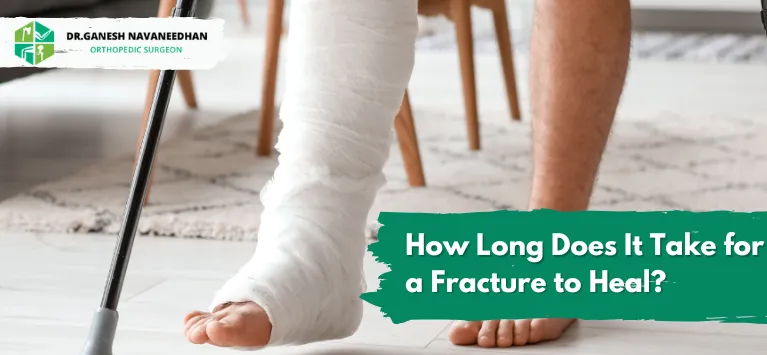
How Long Does It Take for a Fracture to Heal?

A fracture can happen suddenly during a fall, sports activity, accident, or even from weak bones caused by age or medical conditions. No matter how small or serious the injury is, one of the first questions people ask is: “How long does it take for a fracture to heal?”
The answer depends on many factors, including the type of fracture is cared for during recovery. Some fractures may heal within a few weeks, while others can take several months.
In this blog, we will explain fracture healing time, what affects recovery, the stages of healing, and tips to support faster healing.
What Is a Fracture?
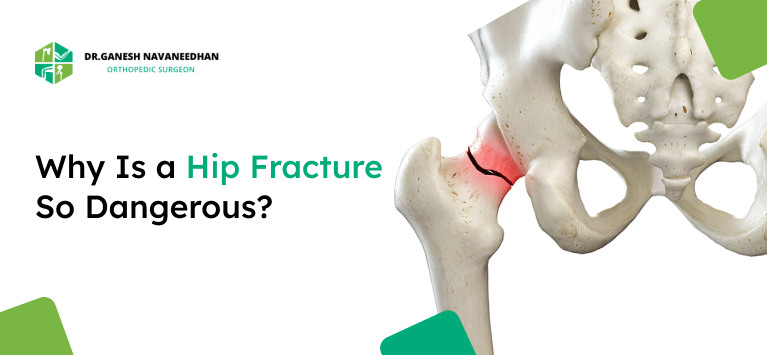
A fracture means a broken bone. It can be a small crack or a complete break in the bone. Fractures can happen in different parts of the body such as the arm, leg, wrist, ankle, hip, or collarbone.
Common causes of fractures include:
- Falls
- Road accidents
- Sports injuries
- Osteoporosis or weak bones
- Direct impact or trauma
Some fractures are simple and stable, while others may need surgery and longer recovery time.
Average Time for a Fracture to Heal
In general, most fractures heal within:
- 6 to 8 weeks for adults
- 3 to 6 weeks for children
- Several months for severe fractures
However, healing time can vary depending on the location and seriousness of the injury.
Here are common fracture healing timelines:
| Type of Fracture | Estimated Healing Time |
| Wrist fracture | 6 to 8 weeks |
| Arm fracture | 6 to 10 weeks |
| Ankle fracture | 6 to 12 weeks |
| Leg fracture | 3 to 6 months |
| Hip fracture | 3 months or longer |
| Collarbone fracture | 6 to 8 weeks |
| Finger or toe fracture | 3 to 6 weeks |
These timelines are only general estimates. Your doctor may recommend more rest depending on your condition.
Stages of Bone Healing
Bone healing happens in different stages. The body naturally repairs the broken bone over time.
1. Inflammation Stage
This stage starts immediately after the fracture. Blood clots form around the broken bone, and the body sends healing cells to the area.
This stage usually lasts a few days.
2. Soft Callus Formation
The body creates a soft tissue called a callus around the fracture to hold the bone together.
This happens during the first few weeks.
3. Hard Callus Formation
The soft callus slowly becomes harder as new bone develops. The fracture becomes stronger during this stage.
This process can take several weeks.
4. Bone Remodeling
The bone continues reshaping and strengthening over time until it returns close to normal.
This stage may continue for several months.
Factors That Affect Fracture Healing Time
Not every fracture heals at the same speed. Several things can affect recovery.
Age
Children usually heal faster because their bones are still growing. Older adults may take longer, especially if they have weaker bones.
Type of Fracture
A small crack heals faster than a complex or displaced fracture. Open fractures, where the bone breaks through the skin, often take longer.
Bone Location
Some bones receive better blood supply, helping them heal faster. Bones with limited blood flow may heal slowly.
Overall Health
Health conditions like diabetes, osteoporosis, or poor nutrition can delay healing.
Smoking and Alcohol
Smoking reduces blood flow to bones and slows healing. Excess alcohol may also affect recovery.
Proper Treatment
Following your doctor’s instructions carefully can improve healing. Ignoring rest or removing support too early may delay recovery.
Signs That a Fracture Is Healing
Many people wonder how to know if their fracture is getting better.
Common signs of healing include:
- Reduced pain
- Less swelling
- Improved movement
- Ability to put gentle pressure on the area
- Bone appearing stronger in X-rays
Even if pain improves, the bone may still be healing internally. That is why follow-up appointments are important.
Can a Fracture Heal Faster?
While bones need time to recover naturally, certain steps may support healthy healing.
Eat Nutritious Foods
A healthy diet gives the body nutrients needed for bone repair.
Foods that support healing include:
- Milk and dairy products
- Green leafy vegetables
- Eggs
- Fish
- Nuts and seeds
- Protein-rich foods
Calcium, vitamin D, and protein are especially important.
Get Enough Rest
Rest helps the body focus on healing the injured bone.
Follow Medical Advice
Using casts, braces, or crutches correctly is important for proper bone alignment.
Attend Physiotherapy
After healing starts, physiotherapy may help improve strength and movement safely.
Avoid Smoking
Smoking can slow bone healing significantly.
When Is Surgery Needed for a Fracture?
Not all fractures heal with a cast alone. Some fractures may need surgery, especially if:
- The bone is severely displaced
- Multiple fractures are present
- The fracture affects a joint
- The bone breaks through the skin
- Healing is not happening properly
Doctors may use metal plates, screws, rods, or pins to stabilize the bone.
Surgical fractures often take longer to recover fully, but surgery can help improve healing and function.
When to See a Doctor
You should seek medical care immediately if you notice:
- Severe pain
- Swelling
- Difficulty moving the limb
- Bone deformity
- Numbness
- Open wounds near the fracture
- Fever or signs of infection after treatment
Early diagnosis and treatment help reduce complications and support better recovery.
Fracture Healing in Children vs Adults
Children usually recover faster because their bones regenerate more quickly. In many cases, pediatric fractures heal within a few weeks.
Adults, especially older adults, may need more time due to slower bone repair and reduced bone density.
Older adults with osteoporosis may also have a higher risk of repeat fractures, making long-term bone care important.
Tips for Recovery After a Fracture
Recovering from a fracture requires patience and proper care.
Here are some simple recovery tips:
- Do not put pressure on the injured area too soon
- Keep follow-up appointments
- Take medications only as prescribed
- Keep casts dry and clean
- Do gentle exercises only when approved by your doctor
- Maintain a healthy diet and hydration
Healing continues even after the cast is removed, so gradual recovery is important.
Final Thoughts
So, how long does it take for a fracture to heal? For most people, healing may take around 6 to 8 weeks, but some fractures need several months for full recovery. Factors like age, fracture type, overall health, and proper treatment all affect healing time.
The good news is that with the right medical care, healthy nutrition, rest, and rehabilitation, many fractures heal successfully. If you suspect a fracture or experience ongoing pain after an injury, it is important to visit an orthopedic specialist for proper diagnosis and treatment.
Taking care of your bones today can help you recover better and stay active in the future.