

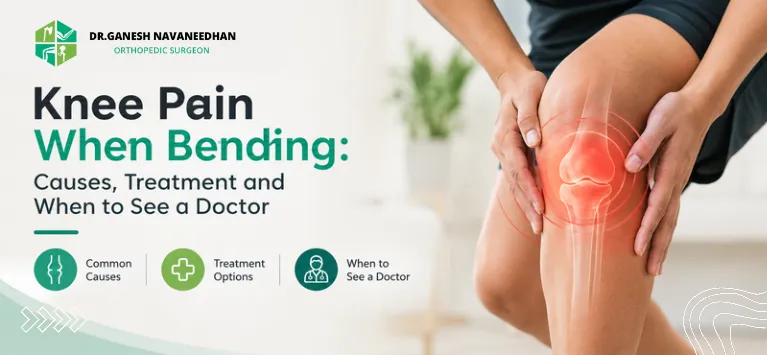
Knee Pain When Bending Your Leg: Causes, Treatment and When to See a Doctor

Knee pain when bending is common and can make everyday activities such as sitting, climbing stairs, squatting, kneeling, or getting up from a chair uncomfortable. The pain may be caused by overuse, muscle or tendon problems, arthritis, cartilage damage, or a knee injury.
Mild knee pain may improve with rest and activity modification. However, severe, recurring, or persistent pain should be evaluated by an orthopaedic doctor to identify the underlying cause and determine the right treatment.
Why Does My Knee Hurt When I Bend It?
The knee is made up of bones, cartilage, ligaments, tendons, muscles, and other soft tissues that work together during movement. Bending the knee places stress on these structures. If one of them is irritated, inflamed, worn, or injured, bending may cause pain.
Common causes of knee pain when bending include:
- Knee arthritis
- Patellofemoral pain syndrome
- Patellar tendinitis
- Quadriceps tendinitis
- Hamstring tendon problems
- Bursitis
- Meniscus injury or tear
- Ligament injuries
- Muscle strain
- Overuse from exercise or sports
- Previous knee injury
- Baker’s cyst
The type and location of the pain can provide useful clues about the possible cause.
Also Read: Why Does My Knee Hurts When I Bend It or Straighten It?
Where Does Your Knee Hurt When Bending?
Pain in Front of the Knee
Pain around or behind the kneecap may occur with conditions such as patellofemoral pain syndrome or patellar tendon problems.
You may notice the pain particularly when climbing stairs, squatting, running, or getting up after sitting for a long time.
Pain Behind the Knee
Pain behind the knee when bending can have several causes, including a Baker’s cyst, hamstring tendon problems, meniscus injuries, or ligament injuries.
A feeling of tightness or swelling behind the knee may also occur with some conditions.
Pain Above the Kneecap
Pain above the kneecap may be related to the quadriceps tendon, particularly after repeated jumping, running, or other activities that place stress on the knee.
Sharp Knee Pain When Bending
A sharp or sudden pain may occur after an injury or with certain problems involving the meniscus, ligaments, tendons, or kneecap.
If sharp knee pain develops suddenly after a fall, twist, or sports injury, it is important to have the knee examined.
What Makes Knee Pain Worse?
Some movements place more stress on the knee and may make pain more noticeable.
Common activities that can aggravate knee pain when bending include:
- Deep squats
- Lunges
- Climbing stairs
- Running
- Jumping
- Kneeling
- Sitting for long periods
- Repeated bending
- High-impact exercise
You do not necessarily need to stop all physical activity. However, temporarily reducing movements that increase your pain can give the affected tissues time to recover.
Also Read: What Causes Knee Pain in Females?
What Can You Do at Home for Knee Pain?
If your knee pain is mild and has not resulted from a serious injury, simple measures may provide temporary relief.
Rest and Modify Your Activity
Reduce activities that increase your knee pain. Instead of running or jumping, you may choose lower-impact activities such as comfortable walking, cycling, or swimming if they do not increase your symptoms.
Avoid pushing through significant pain.
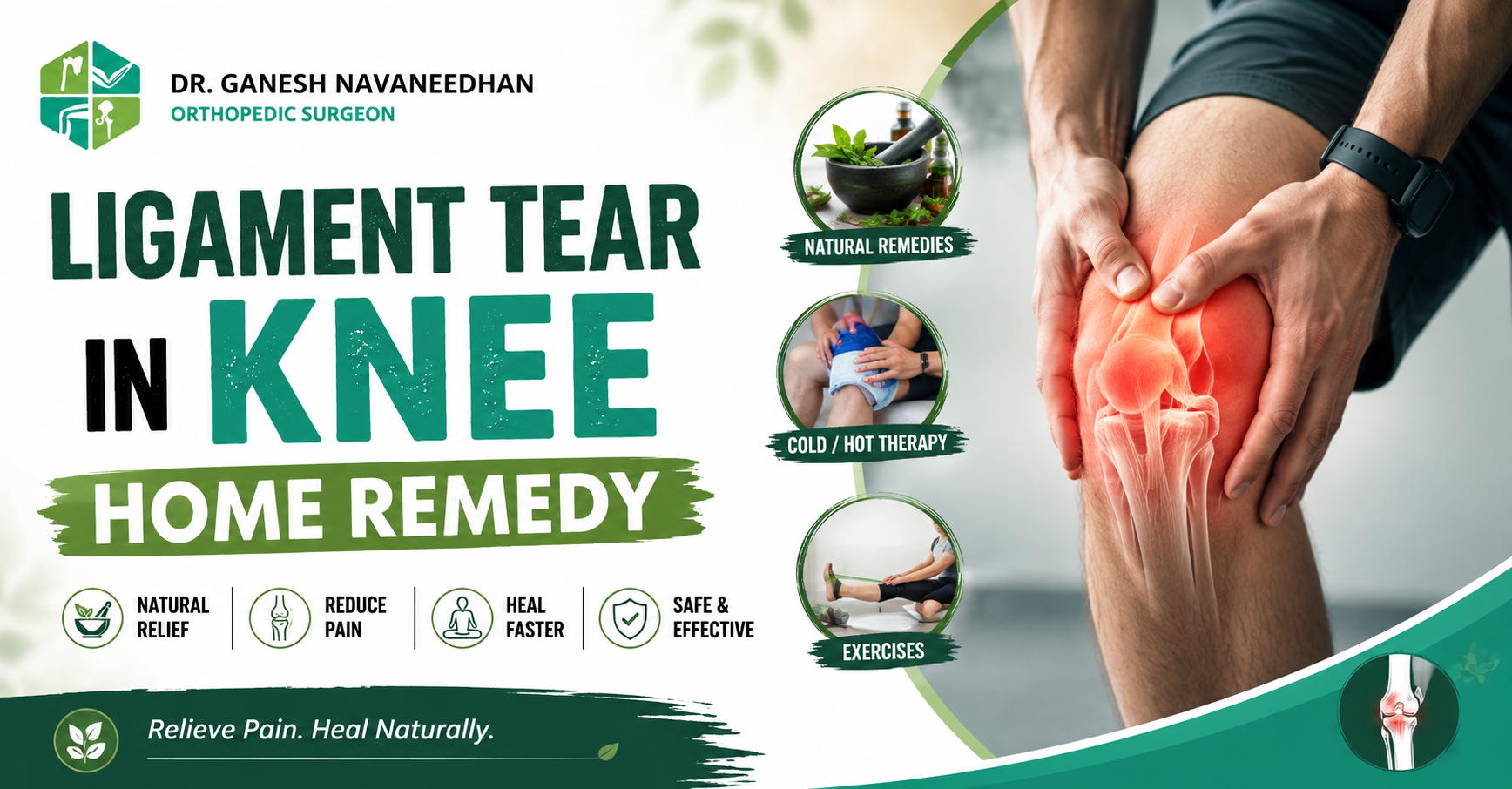
Apply Ice for Recent Pain or Swelling
If your knee became painful or swollen after exercise or a minor injury, an ice pack may help reduce discomfort.
Wrap the ice pack in a towel and apply it for around 15–20 minutes at a time. Do not place ice directly on your skin.
Elevate the Leg if It Is Swollen
If your knee is swollen, keeping the leg elevated while resting may help reduce discomfort.
A compression bandage may also be recommended in some situations, but it should not be so tight that it causes numbness, tingling, or increased pain.
Use Heat for Some Types of Stiffness
Heat may feel helpful for stiffness or certain long-term joint problems. However, it is generally better to avoid applying heat immediately after an acute injury when swelling is present.
Also Read: 10 Home Remedies for Knee Pain
Can Exercises Help Knee Pain?
Appropriate knee exercises can strengthen the muscles that support the knee and improve flexibility and movement.
Strengthening the quadriceps, hamstrings, gluteal muscles, and other supporting muscles can help improve knee stability and reduce stress on the joint.
However, exercises should match the underlying condition. Deep squats, heavy weights, or high-impact movements may not be suitable for every type of knee pain.
If an exercise increases your pain significantly, stop and seek professional advice.
A physiotherapist or orthopaedic doctor can recommend exercises based on your symptoms and diagnosis.
How Is Knee Pain Diagnosed?
Finding the cause is an important part of knee pain treatment.
An orthopaedic doctor may ask when the pain started, whether there was an injury, which movements make it worse, and whether you have swelling, stiffness, clicking, locking, or instability.
The doctor may examine:
- Knee movement
- Joint stability
- Muscle strength
- Areas of tenderness
- Swelling
- Walking pattern
Depending on the findings, imaging tests may be recommended. An X-ray can help assess the bones and signs of arthritis, while an MRI may provide more detailed information about cartilage, menisci, ligaments, and other soft tissues.
Blood tests may sometimes be recommended when an inflammatory condition or infection is suspected.
What Is the Treatment for Knee Pain?
The right knee pain treatment depends on the underlying cause.
Treatment may include:
- Activity modification
- Physiotherapy
- Strengthening and stretching exercises
- Pain management
- Weight management when appropriate
- Knee braces or supports in selected cases
- Orthotic support for certain foot or alignment problems
- Injections when clinically appropriate
- Surgical treatment for specific injuries or advanced joint problems
For example, a mild overuse injury may improve with rest and rehabilitation, while a meniscus tear, ligament injury, or advanced arthritis may require more specialised treatment.
Surgery is not necessary for every case of knee pain. It is generally considered when appropriate non-surgical treatments do not provide sufficient improvement or when there is a significant structural problem requiring repair or reconstruction.
When Should You See an Orthopaedic Doctor?
You should arrange an orthopaedic evaluation if your knee pain:
- Persists or keeps returning
- Is becoming worse
- Makes walking difficult
- Prevents you from bending or straightening the knee
- Causes repeated swelling
- Causes weakness or instability
- Is associated with painful clicking or locking
- Interferes with sleep or daily activities
You should seek prompt medical attention after a significant knee injury, particularly if you heard a popping sound, developed rapid swelling, cannot put weight on the leg, or cannot move the knee normally.
Fever with a hot, red, and swollen knee also requires prompt medical assessment.
How Long Does Knee Pain Take to Improve?
Recovery depends on the cause and severity of the problem.
A mild muscle or tendon strain may improve with appropriate rest and rehabilitation, while ligament injuries, cartilage problems, or advanced arthritis can take considerably longer to manage.
Recovery may also depend on your age, activity level, overall health, the treatment provided, and how consistently you follow your rehabilitation plan.
If surgery is required, recovery can take several weeks or months depending on the procedure.
How Can You Prevent Knee Pain?
You cannot prevent every knee problem, but several habits can reduce unnecessary stress on the joints.
- Warm up before exercise.
- Increase exercise intensity gradually.
- Strengthen the muscles around the knee and hip.
- Stretch regularly to maintain flexibility.
- Choose activities that match your fitness level.
- Avoid repeatedly performing movements that cause pain.
- Maintain a healthy body weight to reduce stress on the knees.
- Wear suitable footwear for your activities.
- Use protective equipment when appropriate for sports or work.
- Give your body enough time to recover between intense workouts.
If you already have knee pain, do not ignore it and continue increasing the intensity of your activity.
Dr. Ganesh Navaneedhan – Orthopaedic Care for Knee Pain
Dr. Ganesh Navaneedhan is an orthopaedic specialist in Trivandrum who provides care for conditions affecting the bones, joints, muscles, ligaments, and other parts of the musculoskeletal system.
For patients experiencing knee pain when bending, a detailed assessment can help identify whether the symptoms are related to arthritis, an injury, tendon problems, cartilage damage, or another condition.
Dr. Ganesh Navaneedhan focuses on understanding the cause of orthopaedic symptoms and recommending treatment according to the patient’s condition. Patients with persistent knee pain, difficulty bending the knee, swelling, stiffness, or pain while walking or climbing stairs can seek an orthopaedic evaluation.
If you are looking for an orthopaedic doctor in Trivandrum for ongoing knee pain, getting the condition assessed early can help guide appropriate treatment and rehabilitation.
Final Takeaway
Knee pain when bending can have many causes, ranging from overuse and tendon problems to arthritis, cartilage injuries, and ligament damage. The location and type of pain, along with other symptoms such as swelling, stiffness, clicking, or instability, can provide useful clues.
For mild pain, reducing aggravating activities, using ice after a recent injury, and maintaining gentle movement may help. However, persistent or severe pain should not be ignored.
If knee pain is affecting your walking, exercise, sleep, or everyday activities, consult an orthopaedic specialist. Identifying the underlying cause is the first step towards choosing the right knee pain treatment and protecting your knee function.